

You are about to invest in veneers, crowns, or implants, but if you clench or grind your teeth, the forces on that new work could shorten how long it lasts.
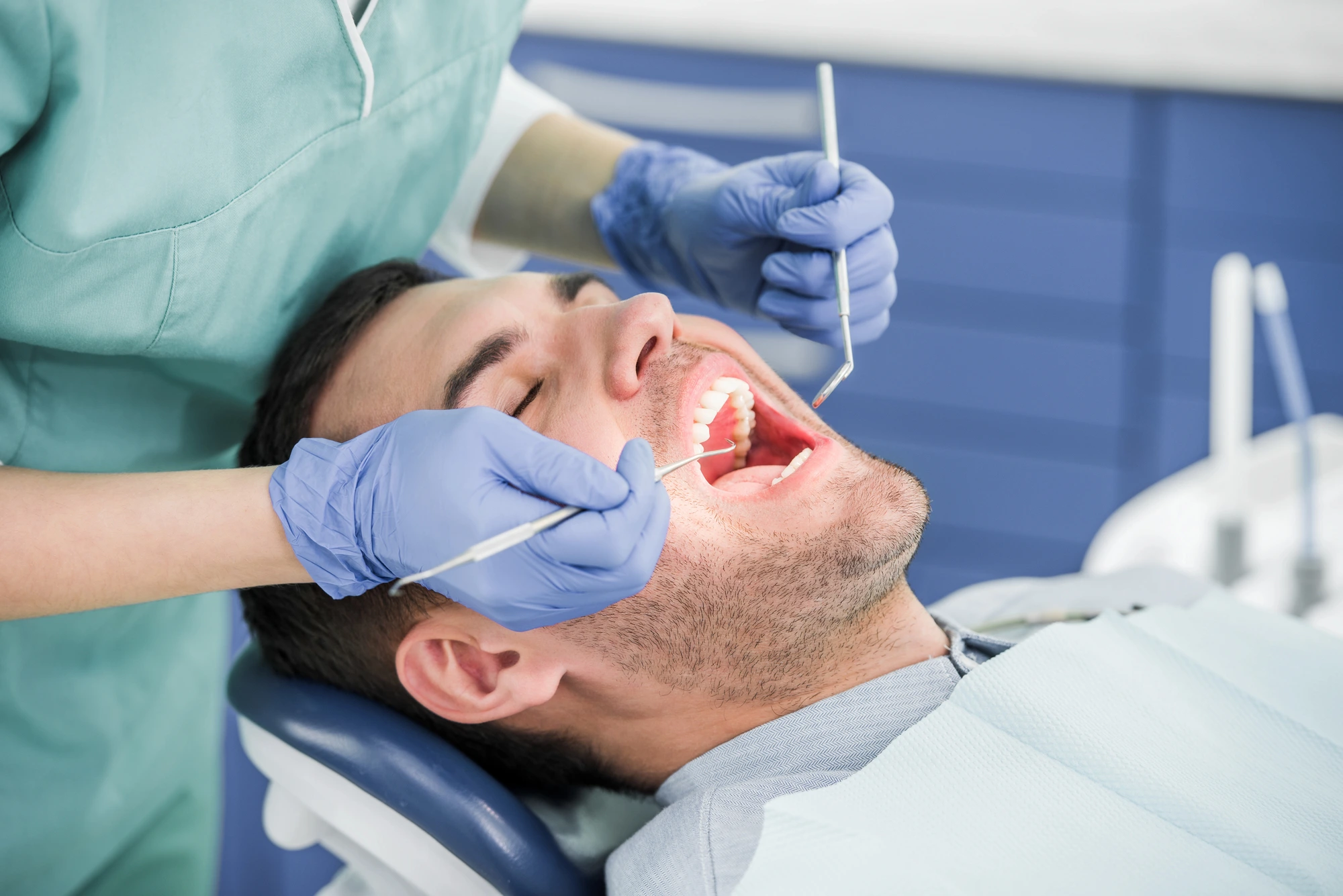
A TMJ dentist in McLean can check your jaw, bite, and habits before treatment begins, so the plan protects your investment. A TMJ evaluation takes a closer look at how your jaw joints, muscles, and teeth work together, and that information shapes every decision that follows.
Why Your Jaw Matters Before Cosmetic Work
Grinding and clenching, known as bruxism, put repeated pressure on teeth. The Mayo Clinic explains that severe bruxism may lead to damage to your teeth and jaws, and also to fillings, crowns, and other dental repairs. New restorations do not stop the habit, so identifying it first helps your dentist choose materials and protective steps that fit how you actually use your teeth.
Signs Your Jaw Needs a Look
Many people clench without realizing it. The Mayo Clinic lists these common signs:
- Jaw, neck, or face pain or soreness
- Tired or tight jaw muscles, or a jaw that locks
- Teeth that are flattened, fractured, chipped, or loose
- Tooth pain or sensitivity
- Morning headaches, or pain that feels like an earache
What a TMJ Evaluation Involves
A thorough evaluation is usually straightforward:
- A conversation about your symptoms, habits, and stress
- An exam of your jaw joints, muscles, and range of motion
- A look at wear patterns and how your teeth meet
- Imaging when it is appropriate
- A plan that fits what the evaluation finds
Conservative First
When treatment is needed, the NIDCR recommends starting with conservative, reversible care. That can include eating soft foods, reducing habits like clenching, gum chewing, or nail biting, and using a night guard or stabilization appliance, which protects teeth without changing the teeth or bite.
The NIDCR advises caution with treatments that permanently change the teeth, bite, or jaw joints, and suggests discussing benefits, risks, and alternatives before agreeing to them.
Planning Veneers, Crowns, and Implants Around Your Bite
Once your jaw habits are understood, restorative planning becomes more precise. The sequence often looks like this: address clenching and jaw discomfort first, then restore, and consider a protective night guard afterward. That approach applies whether you are considering porcelain veneers, dental crowns, or dental implants, because each depends on a stable, comfortable bite.
Frequently Asked Questions
Is jaw clicking a problem?
Painless clicking is common and usually does not need treatment. Pain, locking, or difficulty opening and closing your mouth should be checked.
Do I need a night guard after veneers?
If you grind or clench, a custom night guard may help protect your restorations. Your dentist can tell you whether one makes sense for you.
Will TMJ treatment change my bite?
Conservative, reversible options come first. Treatments that permanently change the bite should be discussed carefully, with the benefits, risks, and alternatives explained.

Planning a Smile Makeover? Start With a TMJ Dentist in McLean
Our team at Galleria Dental Aesthetics evaluates your jaw, bite, and goals before we plan your treatment, so your new smile is built to last. Contact us or call us at 703-448-1020. We are at 1600 Tysons Blvd Suite 120 in McLean.