

Stress is something we all experience, but its effects go far beyond mood or energy levels. In fact, stress can have a significant impact on your oral health, especially your teeth.
Everyday habits caused by stress, like clenching or grinding, can quietly wear down your smile over time and force you to get care dental care in McLean.
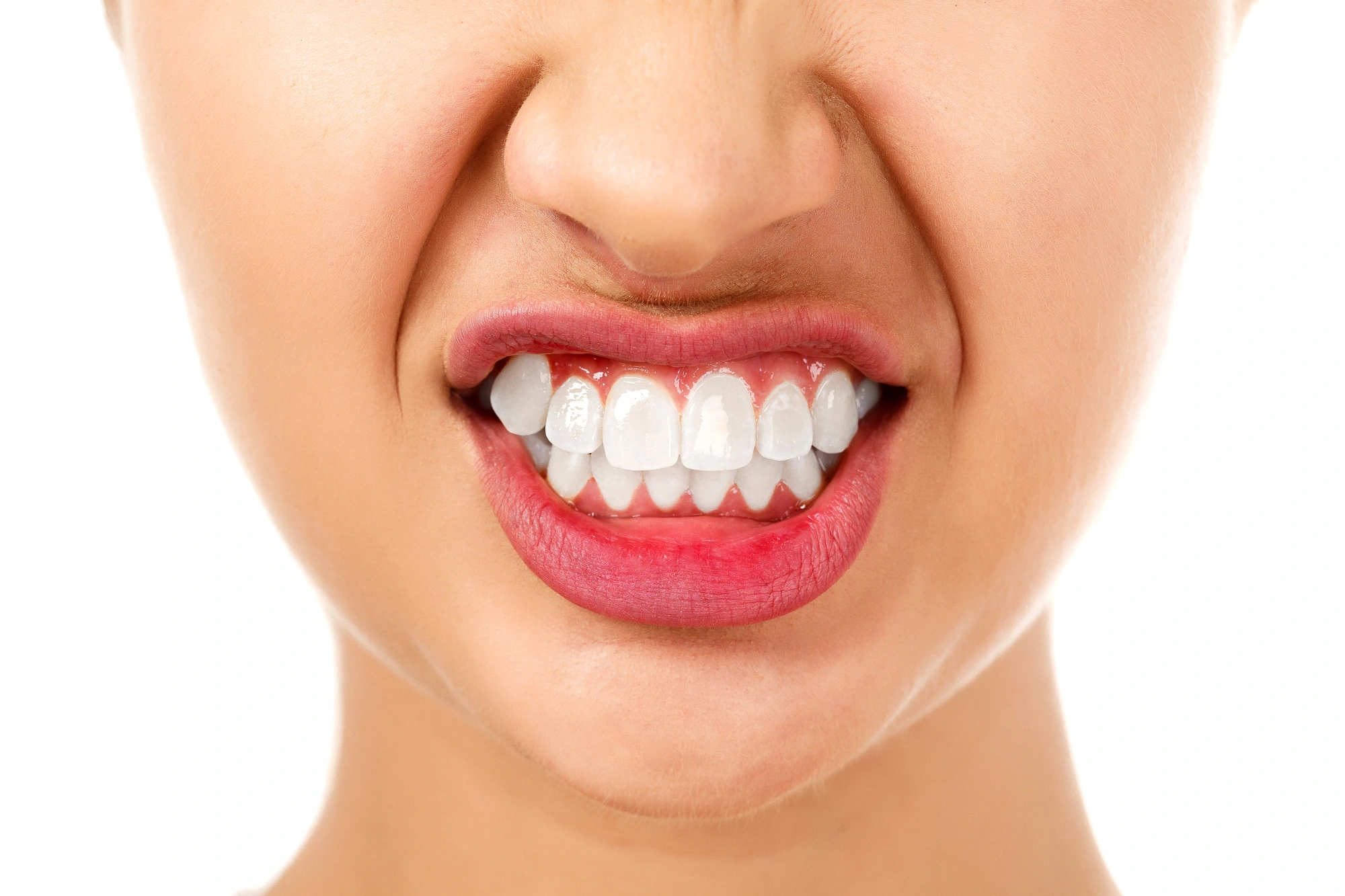
How Stress Affects Your Teeth
When you’re stressed, your body often responds in physical ways—one of the most common being teeth grinding (also known as bruxism) and jaw clenching. These habits frequently happen unconsciously, especially during sleep or periods of intense focus.
Over time, this repeated pressure puts excessive force on your teeth. Unlike normal chewing, which is brief and controlled, grinding can last for hours and apply much stronger force. This can gradually weaken your enamel and strain your teeth without you even realizing it’s happening.
Signs Your Teeth Are Under Stress
Because these habits are often unconscious, the signs can be easy to miss at first. However, your teeth will usually show subtle warning signals, including:
- Increased sensitivity to hot or cold
- Worn, flattened, or chipped teeth
- Small cracks in the enamel
- Soreness when biting or chewing
- Waking up with tender teeth or mild headaches
Recognizing these symptoms early is essential. The sooner you address them, the easier it is to prevent more serious damage.
Long-Term Damage to Watch For
If left untreated, stress-related habits can lead to more significant dental problems. Continuous grinding can wear down enamel, leaving teeth more vulnerable to cavities and decay. Small cracks can deepen over time, sometimes requiring restorative treatments like dental crowns.
In more advanced cases, excessive wear can even affect the structure and function of your bite. What starts as mild sensitivity can eventually lead to costly and complex dental procedures if not addressed early.
How to Protect Your Teeth
Techniques and Habits
Managing stress through healthy habits—like exercise, better sleep, and relaxation techniques—can reduce grinding. Being mindful of clenching during the day and avoiding chewing on hard objects like ice or pens can also help.
Professional Help
Dental care plays a crucial role in prevention and treatment. Regular dental exams and cleanings allow your dentist to detect early signs of wear and recommend solutions before damage worsens.
Some dental services designed to protect and restore your smile include:
- Preventive care to maintain overall oral health and catch issues early,
- Custom night guards to protect teeth from grinding and clenching,
- Restorative treatments, such as crowns, to repair damaged teeth,
- Cosmetic dentistry to improve the appearance of worn or affected teeth.
These services address existing issues while also helping to prevent future damage.

Protect Your Smile Before Damage Gets Worse: Receive Dental Care in McLean
Stress may be unavoidable, but lasting damage to your teeth doesn’t have to be. If you’ve noticed sensitivity, wear, or discomfort, it’s important to take action early.
Our team at Galleria Dental Aesthetics is here to help you preserve your smile with personalized care and advanced treatment options. Schedule your appointment today and take the first step toward protecting your teeth from stress-related damage.